

How does an automatic solar street light work?
Oct 23, 2023
I. Introduction
Solar streetlights are becoming increasingly popular for their energy efficiency and environmental friendliness. These lights operate using renewable solar energy and can illuminate outdoor areas, streets, and public spaces without relying on traditional electricity sources. Automatic solar streetlights are equipped with intelligent features that allow them to turn on and off automatically, based on ambient light levels and other factors. This article aims to explain how these lights work and highlight their benefits.
II. Components of an automatic solar street light
A. The solar panel is the key component that absorbs sunlight during the day and converts it into electrical energy. It consists of photovoltaic cells that generate a direct current (DC) when exposed to sunlight.
B. The battery stores the electrical energy generated by the solar panel during the day, ensuring a continuous power supply for the LED lights during nighttime.
C. LED lights are highly efficient and consume less energy than conventional lighting. They provide bright illumination without compromising on energy efficiency.
D. The controller is the brain of the solar street light system. It manages the charging and discharging of the battery, controls the operation of LED lights, and ensures optimal performance.
E. Sensors, such as light and motion sensors, play a crucial role in automatic solar street lights. Light sensors detect the ambient light level and trigger the system to turn on or off accordingly. Motion sensors detect movement and adjust the lighting intensity as needed.
III. Working principle of automatic solar streetlights
A. During daytime operation:
1. The solar panel absorbs sunlight and converts it into electrical energy.
2. This energy is then stored in the battery for later use.
B. During nighttime operation:
1. As daylight decreases, the light sensors detect the change and signal the system to activate.
2. The battery powers the LED lights, which illuminate the surroundings.
3. The controller manages the lighting patterns and adjusts the brightness levels based on predefined settings or real-time conditions.
4. Motion sensors detect movement and regulate the lighting accordingly, ensuring efficient energy usage and enhanced safety.
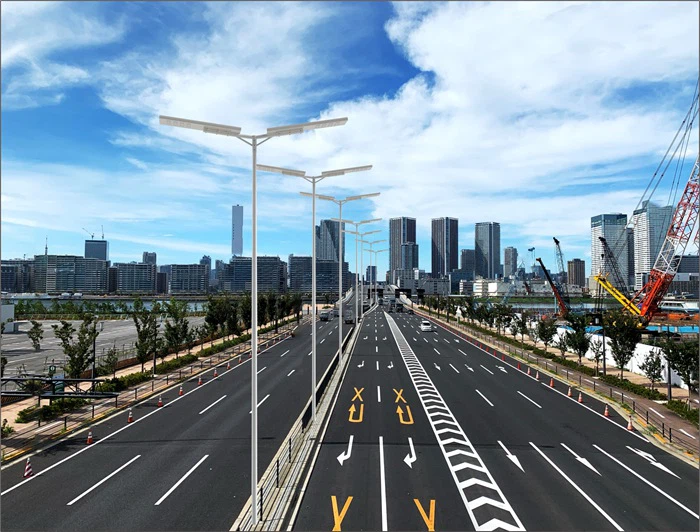
IV. Benefits of automatic solar street lights
A. Energy efficiency and cost savings: Solar street lights rely on renewable solar energy, resulting in significant energy savings and reduced electricity bills.
B. Environmental sustainability: By utilizing solar power, these lights contribute to a greener and cleaner environment by reducing carbon emissions.
C. Low maintenance requirements: Automatic solar street lights have minimal maintenance needs compared to traditional street lighting systems, reducing operational costs.
D. Enhanced safety and security: The motion sensors in these lights improve safety by illuminating areas when movement is detected, deterring potential threats or accidents.
V. Conclusion
Automatic solar streetlights offer a practical and sustainable lighting solution for outdoor areas. Their intelligent features, energy efficiency, and environmental benefits make them an ideal choice for modern urban planning. By embracing automatic solar street lights, we can contribute to a greener future and create safer and well-lit public spaces.
References:
1. Solar Lighting International - "How Solar Street Lights Work": https://www.solarlightingitl.com/how-solar-street-lights-work/
2. Urja Global Limited - "Working Principle of Solar Street Lights": https://urjaglobal.in/working-principle-of-solar-street-lights/
3. Solar Lighting Manufacturer - "How Do Solar LED Street Lights Work?": https://www.solar-ledlights.com/how-do-solar-led-street-lights-work/
4. Urban Solar - "How Solar Street Lighting Works: Components & Working Principles": https://www.urbansolarpower.com/how-solar-street-light-works/
5. Sunna Design - "How Do Solar Street Lights Work?": https://www.sunna-design.com/how-do-solar-street-lights-work/


