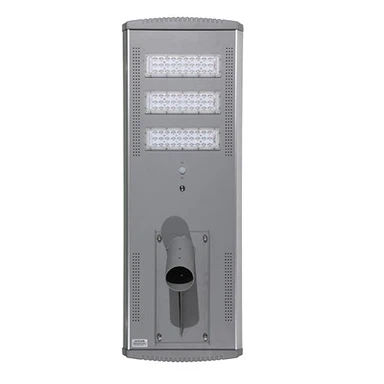
How much does solar street light cost?
Feb 01, 2024
I. Introduction
Street lighting is an essential aspect of urban and rural infrastructure, providing safety and security to communities. As the world embraces renewable energy solutions, solar streetlights have gained popularity for their eco-friendly and cost-effective nature. In this blog, we will delve into the question, "How much does solar street light cost?" to highlight the pricing factors and help readers make informed decisions.
II. Factors Influencing the Cost of Solar Street Lights
1. Geographic Location and Sunlight Availability: The amount of sunlight available in a specific location affects the sizing of solar panels and batteries, which can impact the cost.
2. Quality and Efficiency of Components: Higher-quality components, such as solar panels, batteries, and LED lights, may come at a higher initial cost. However, they offer improved performance, durability, and longevity, resulting in long-term savings.
3. Project Scale and Quantity: Bulk orders or larger-scale projects often benefit from economies of scale, lowering the cost per unit.
Customization and Additional Features: Including extra features like smart controls or motion sensors and customization requirements can increase the overall cost.
4. Maintenance and Warranty: While regular maintenance is necessary for solar streetlights, opting for warranties can provide added peace of mind but may increase the initial cost.
III. Cost Components of Solar Street Lights
A. Solar Panels: Solar panels are responsible for converting sunlight into electricity. The cost of solar panels depends on various factors, such as their wattage, efficiency, and quality. On average, solar panels for a solar street light system can range from $200 to $1000 per panel.
B. Batteries: Batteries store the energy generated by the solar panels for use during nighttime or cloudy days. The cost of batteries varies based on their capacity and technology. Generally, the price of batteries for a solar street light system can range from $100 to $500 per battery.
C. LED Lights: LED lights are energy-efficient and have a long lifespan, making them ideal for solar street lights. The cost of LED lights depends on their wattage, brightness, and quality. Typically, LED lights for a solar street light system can range from $50 to $200 per light.
D. Controller and Sensors: The controller manages the charging and discharging of batteries, while sensors detect ambient light levels to control the operation of the street lights. The cost of controllers and sensors depends on their complexity and features. Controllers can range from $30 to $100, while sensors can cost around $20 to $80.
E. Pole and Mounting: The cost of poles and mounting hardware for solar street lights varies depending on the material, height, and design. Typically, poles and mounting hardware can range from $100 to $500 per unit.
F. Installation and Labor: The installation and labor costs of solar streetlights depend on the complexity of the project, including factors like site preparation, wiring, and labor hours required. Installation costs can range from $500 to $2000 per unit.

IV. Cost vs. Benefits Analysis
A. Energy Savings and Reduced Electricity Bills: Solar street lights generate electricity from sunlight, resulting in significant energy savings compared to grid-powered street lights. By eliminating electricity bills, solar street lights offer long-term cost benefits.
B. Environmental Impact and Sustainability: Solar street lights contribute to a greener environment by reducing reliance on fossil fuels and minimizing carbon emissions. They are a sustainable lighting solution that aligns with the global shift toward renewable energy.
C. Maintenance and Operational Costs: Solar street lights have lower maintenance needs compared to traditional street lights. With no electrical wiring or grid connection, the operational costs associated with maintenance and repairs are significantly reduced.
D. Return on Investment (ROI): While the initial cost of solar streetlights may seem higher, considering the long-term benefits and potential return on investment is crucial. Savings from reduced energy consumption and maintenance costs can outweigh the initial investment over time.
V. Conclusion
In conclusion, the cost of solar streetlights depends on various factors, including the quality of components, project scale, customization, and location. While the initial investment might be higher, solar streetlights offer long-term benefits in terms of energy savings, reduced operational costs, and environmental sustainability. By carefully considering the cost components, analyzing the return on investment, and exploring available incentives, individuals and communities can make informed decisions and embrace solar street lights as a reliable and cost-effective lighting solution.