
What's the normal height of a street light pole?
Jun 25, 2023
I. Introduction
Proper height selection for street light poles is of utmost importance. It directly influences the effectiveness of lighting distribution, visibility, and overall functionality. A well-placed and appropriately tall pole ensures that the light adequately covers the intended area, minimizing shadows and dark spots. This not only enhances safety by improving visibility but also contributes to creating a welcoming and secure environment for communities to thrive.
II. Factors Influencing the Height of Street Light Poles
A. Environmental considerations (e.g., weather, wind conditions)
The height of street light posts is influenced by various environmental factors. In regions prone to strong winds or extreme weather conditions, taller poles may be required to ensure stability and prevent damage. Additionally, areas with dense tree canopies or other obstructions might necessitate taller poles to provide unobstructed illumination.
B. Location-specific factors (e.g., urban or rural settings)
The location where street light poles are installed also affects their height. Urban settings typically have taller poles due to higher buildings and wider roads, while rural areas may have shorter poles as the infrastructure is less dense. The height of street light poles should be appropriate for the surroundings, considering factors such as building heights, road widths, and overall aesthetic appeal.
C. Road type and usage (e.g., highways, residential areas)
Different road types and their specific usage patterns influence the height of street light poles. Highways and major thoroughfares often require taller poles to provide adequate lighting over long distances and accommodate higher speeds. Residential areas, on the other hand, may have shorter poles suitable for lower traffic volumes and lower speed limits.
D. Lighting design standards and regulations
Lighting design standards and regulations set by municipal authorities or relevant organizations play a crucial role in determining the height of street light poles. These standards consider factors such as recommended lighting levels, uniformity, glare control, and energy efficiency. Compliance with these standards ensures that street light poles are installed at appropriate heights to meet the specific lighting requirements of different areas.

III. Typical Height Ranges for Street Light Poles
A. Common height ranges for different road types and settings
The height of street light poles can vary depending on the road type and setting. Here are some typical height ranges:
Urban areas: In densely populated urban areas with wider roads and taller buildings, street light poles can range from 15 to 30 feet in height.
Residential areas: Residential streets typically have shorter street light poles, ranging from 10 to 20 feet in height, as they cater to lower traffic volumes and lower speed limits.
Highways and major thoroughfares: Due to their longer distances and higher speeds, highway street light poles usually have greater heights, typically ranging from 25 to 40 feet.
Pedestrian zones: In areas with high pedestrian activity, such as shopping districts or parks, street light poles might be shorter, ranging from 8 to 15 feet. This ensures proper illumination at ground level for pedestrian safety and comfort.
B. Examples of specific heights based on various factors mentioned earlier
Specific heights for street light poles can vary based on factors like wind conditions, location, road type, and lighting regulations. For example:
In coastal areas with strong winds, street light poles may need to be taller, ranging from 30 to 40 feet, to withstand gusts and maintain stability.
On rural roads with lower traffic density, street light poles might have heights between 10 to 18 feet.
High-speed highways may require taller poles ranging from 30 to 40 feet to ensure uniform and long-range illumination.

IV. Variations and Exceptions to the Norm
A. Instances where heights may deviate from typical ranges
While there are typical height ranges for street light poles, there can be instances where deviations from these ranges occur based on specific circumstances. Some examples include:
Unique geographical features: In areas with steep terrain or uneven ground, street light poles may need to be adjusted in height to ensure proper lighting coverage and alignment with the landscape.
Historic preservation: In historic districts, street light poles might be designed to match the architectural style of the area, which could result in variations in height to maintain visual harmony with the surroundings.
Underground infrastructure: If there are underground utilities or other infrastructure limitations, the height of street light poles may need to be adjusted accordingly.
B. Special scenarios requiring custom heights (e.g., pedestrian zones, landmarks)
Certain special scenarios call for custom heights for street light poles to meet specific requirements or highlight important locations. Here are a few examples:
Pedestrian zones: In pedestrian-oriented areas like promenades or outdoor shopping streets, street light poles may be lowered to create an intimate and inviting atmosphere. Heights ranging from 8 to 15 feet can help provide adequate lighting while maintaining a comfortable pedestrian scale.
Landmarks or focal points: For iconic landmarks, monuments, or public artworks, street light poles might be customized in height to enhance visibility and highlight the significance of these features.
C. Examples of innovative lighting solutions that challenge the norm
Innovation in lighting technology and design has led to unconventional approaches that challenge traditional norms. These examples showcase how street lighting can be implemented in unique ways:
Smart lighting systems: Using advanced sensors and controls, smart lighting systems adapt lighting levels based on real-time conditions, optimizing energy consumption and lighting efficiency. These systems can dynamically adjust the height and intensity of individual street light poles to meet specific needs, such as reducing illumination during low-traffic periods.
Vertical lighting structures: Instead of traditional street light poles, vertical lighting structures integrated into architectural features or existing infrastructure can provide lighting while adding aesthetic value. These structures can vary in height and design to suit the specific context.
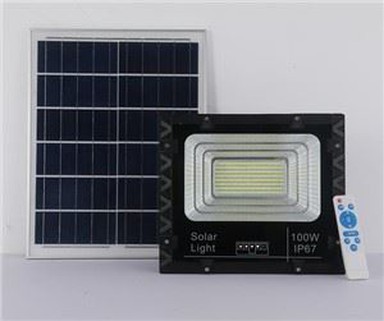
Solar-powered lighting: Solar-powered street light poles can be installed in areas without access to the electrical grid. These poles feature integrated solar panels and batteries, allowing them to generate and store energy during the day for nighttime illumination. The heights of solar street light poles can vary based on location and energy requirements.

References
Lighting Research Center (LRC): https://www.lrc.rpi.edu/
Illuminating Engineering Society (IES): https://www.ies.org/
International Electrotechnical Commission (IEC): https://www.iec.ch/