How to Choose LED Tunnel Lights?
Mar 11, 2026
Tunnel lighting is a critical component of tunnel engineering, and LED tunnel lights have become the mainstream choice for both new construction and renovation projects. However, with the wide variety of products available on the market, quality can vary significantly. This article explains the key factors to consider when selecting LED tunnel lights from a professional perspective.
1. Luminous Efficiency
Luminous efficiency directly determines the energy consumption and operating cost of a tunnel lighting system, making it a crucial parameter. Currently, many manufacturers offer LED tunnel lights with a luminous efficacy of around 100 lm/W, which meets common tunnel lighting standards.
To effectively reduce electricity costs and improve energy efficiency, it is recommended to prioritize LED fixtures with higher luminous efficacy.

2. LED Driver Power Supply
LED chips themselves can have a service life of more than 100,000 hours, while the lifespan of the driver power supply is usually much shorter. In practice, the overall lifespan of an LED tunnel light is often determined not by the LED chips, but by the driver.
Therefore, selecting a high-quality LED driver is essential to ensure long-term performance and reliability. Some well-known driver brands commonly used in the industry include Mean Well (Taiwan), MOSO Power (Shenzhen), and Inventronics (Hangzhou).
3. Protection Rating and Surface Treatment
Tunnel lights are typically installed in outdoor or harsh tunnel environments, where water seepage and dripping may occur. In addition, tunnels in coastal regions are often exposed to salt spray in the air, which can accelerate corrosion.
For this reason, LED tunnel lights should have a high protection rating, typically no lower than IP65, to ensure reliable operation. The lamp housing should also undergo special surface treatments to provide salt-spray resistance and strong anti-corrosion performance, ensuring durability in demanding environments.
4. Heat Dissipation
The heat dissipation performance of a lighting fixture directly affects the lumen depreciation rate of the LED light source. Under the same operating conditions, fixtures with better thermal management will experience less light decay than those with poor heat dissipation.
Therefore, when selecting the lights, it is recommended to choose products with aluminum housings, well-designed thermal structures, and sufficient heat dissipation area.
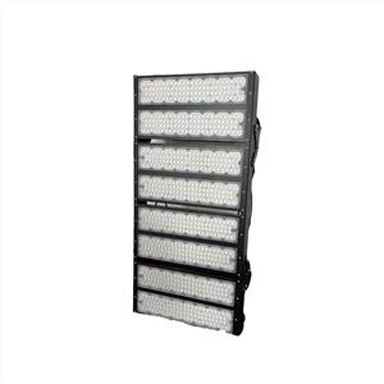
Yahua Lighting's tunnel lights adopt a surface light source design, using a larger number of LED chips compared to conventional tunnel lights of the same power. Each chip operates at lower current and lower junction temperature, which helps reduce light decay and extends the overall lifespan of the fixture.
5. Glare Control
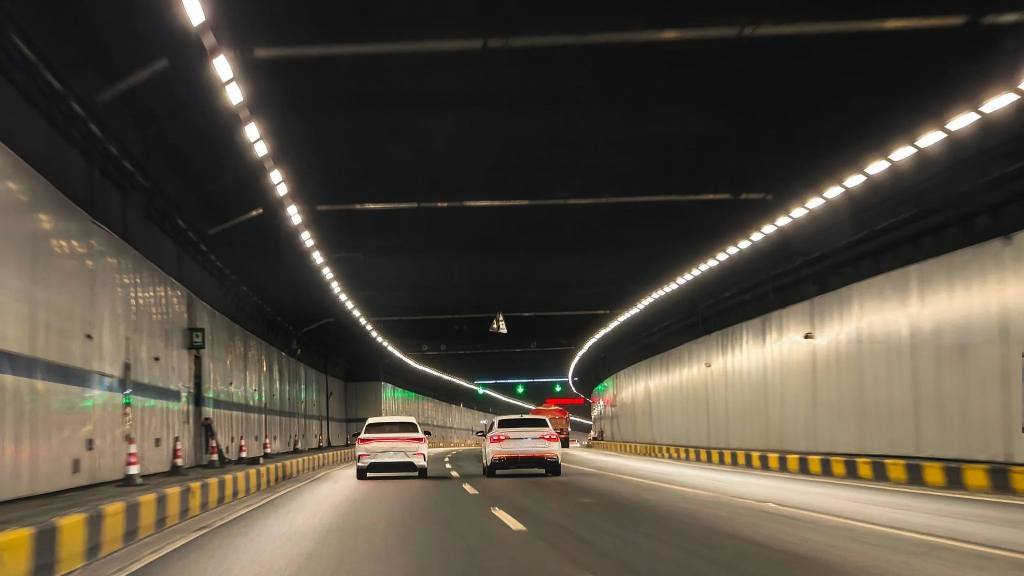
From a traffic safety perspective, glare can significantly affect a driver's visual perception and reaction time. Excessive glare is considered one of the major factors contributing to road safety risks.
Therefore, when selecting the lights, it is important to pay close attention to the fixture's anti-glare design to ensure comfortable and safe driving conditions inside the tunnel.
6. Color Rendering Index (CRI)
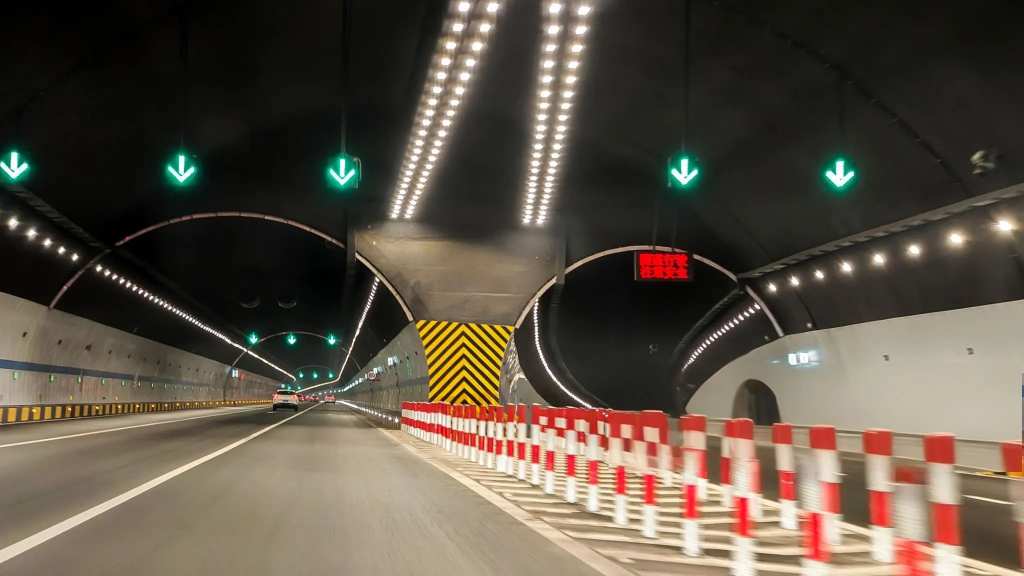
Under the same luminous efficiency conditions, a higher color rendering index (CRI) provides clearer and more accurate visual perception, helping meet lighting requirements more effectively. For example, traditional high-pressure sodium tunnel lights may have relatively high luminous flux, but their low CRI often results in dim and yellowish lighting conditions.
Compared with traditional sodium lamps, LED lighting fixtures offer a much higher CRI, which improves visibility and overall lighting quality.
Generally, a CRI above 70 is sufficient for most tunnel lighting applications. Since tunnels are not environments requiring highly detailed visual tasks, extremely high CRI values are usually unnecessary.

7. Color Temperature
The color temperature of LED tunnel lights should be selected based on the actual operating conditions of the tunnel.
For mountain tunnels with heavy fog, it is recommended to use lower color temperatures, such as 3000K warm white light, because lower color temperature lighting provides better penetration in foggy conditions.
For tunnels without fog or urban underpasses, higher color temperatures between 5500K and 6500K can be used. This range typically provides higher luminous flux and brighter illumination.
For standard tunnel environments, a neutral white color temperature of around 4000K–4500K is often the best choice, offering a balanced combination of light penetration and brightness.
8. Power Factor
To reduce the impact on the electrical grid, high-power lighting fixtures such as LED tunnel lights typically require a power factor (PF) greater than 0.9. A higher power factor helps improve energy efficiency and reduces unnecessary power losses in the electrical system.

Conclusion
In addition to the factors mentioned above, some tunnel projects may require brightness adjustment, which means the dimming capability of the driver power supply should also be considered. In certain tunnels where dust accumulation is common, the fixture surface may become dirty over time, so ease of cleaning and maintenance should also be taken into account.
Therefore, when selecting tunnel lights for a project, it is important to evaluate the specific conditions of the tunnel and consider multiple factors comprehensively to ensure the most suitable lighting solution.
With extensive experience in the LED lighting industry, Yahua Lighting provides LED tunnel lights designed to adapt to a wide range of tunnel environments. Our products combine energy efficiency, stability, and reliable performance, along with professional guidance to help engineers and contractors achieve safe, efficient, and long-lasting tunnel lighting solutions.