
LED Flood Light vs Solar Flood Light: Pros, Cons, and Best Choice
Sep 12, 2025
Flood light is an essential part of outdoor lighting, delivering powerful illumination across wide areas. Whether you want to enhance security, brighten your backyard, or ensure safe navigation around your property, both LED floodlights and solar-powered LED floodlights are popular choices. This guide explores the pros and cons of solar and LED flood light and highlights their best use cases.
1. Pros and Cons of LED Flood Light
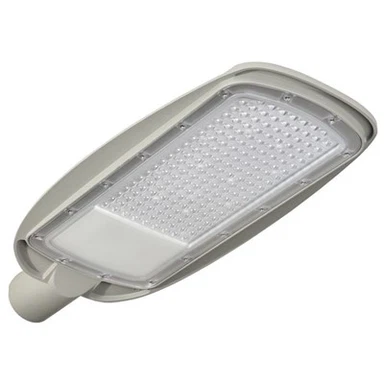
LED flood lights produce a powerful, wide-angle beam using light-emitting diodes (LEDs). These lights are commonly used for outdoor applications such as security, sports events, and large commercial areas. Outdoor LED floodlights are energy-efficient, durable, and suitable for both residential and industrial use. Unlike traditional floodlights, LED models deliver brighter illumination while consuming less electricity, significantly reducing energy costs.

Pros:
- High power and exceptional brightness: Supported by a continuous power supply, LED floodlights can reach very high wattages (100W, 200W, or more), easily covering large areas with intense illumination.
- Stable and reliable performance: As long as the power stays on, the brightness remains consistent-unaffected by wind, rain, or freezing temperatures-delivering 24/7 dependable lighting.
- Continuous illumination: Ideal for areas that require all-night lighting, with no concerns about battery life or limited runtime.
- Lower upfront cost: For the same brightness level, wired LED floodlights are typically less expensive than their solar-powered counterparts.
Cons:
Complex installation requiring wiring: This is the biggest drawback. Running cables from the power source to the installation point can be disruptive and costly, often requiring a professional electrician.
Ongoing electricity costs: Since they draw power directly from the grid, long-term operation can add significantly to energy bills.
Vulnerable to power outages: In the event of a blackout, the lights will stop working, creating potential security gaps.
Limited flexibility: Once installed, the placement is fixed due to wiring, making future adjustments or relocation difficult.

2. Pros and Cons of Solar Flood Light
A solar LED floodlight works similarly to a conventional LED floodlight but is powered by solar energy. It is equipped with a solar panel that captures and stores energy from sunlight, which is then used to power the LED lamp at night. Outdoor solar floodlights often come with motion sensors, making them an excellent choice for areas with abundant sunlight. Since they operate independently of the traditional power grid, they are both eco-friendly and cost-effective.

Pros:
- Extremely easy installation, no wiring required: This is the biggest advantage. Simply mount it in a sunny location-such as a wall or fence-using screws. No electrician, trenching, or complicated wiring is needed. Most installations can be done DIY in under an hour, saving significant labor costs and hassle.
- Zero electricity bills, low operating cost: Powered entirely by free sunlight, solar floodlights incur virtually no ongoing expenses once installed.
- Energy-saving and eco-friendly: They utilize clean, renewable energy and help reduce carbon emissions.
- Reliable during power outages: Even if the entire neighborhood loses power, your solar lights will continue to shine, providing excellent emergency and security coverage.
- Smart automation: Most solar floodlights are equipped with dusk-to-dawn sensors and motion detectors. They turn on automatically at night, brighten when people or vehicles pass by, and dim or switch off afterward-intelligent and energy-efficient.

Cons:
- Weather-dependent performance: Solar flood light relies heavily on sunlight. Consecutive days of rain, cloudy skies, or heavy smog can lead to insufficient charging, resulting in shorter lighting duration or reduced brightness.
- Limited brightness and runtime: Due to the constraints of battery capacity and solar panel size, their overall brightness and ability to sustain high-intensity illumination usually cannot match grid-powered LED floodlights.
- Higher upfront cost: A quality solar floodlight system includes solar panels and rechargeable batteries, making the initial purchase price typically higher than that of traditional LED floodlights.
- Battery lifespan: The built-in lithium battery has a limited cycle life. After several hundred charge-discharge cycles (typically 2–4 years), its performance and capacity will decline, and a battery replacement may be required.
3. Which Should You Choose: LED Flood light or Solar Floodlight?
|
Application Scenario |
Recommended Option |
Reason |
|
Backyard, garden, lawn |
Solar Floodlight |
Generally doesn't require extremely high brightness. Wiring is difficult, while solar lights are easy to install and smart sensors are sufficient. |
|
Garage, warehouse exterior, large parking lot |
Grid-powered LED Floodlight |
Requires powerful and stable illumination. Buildings usually already have power access, making wiring convenient. |
|
Security lighting (motion-activated) |
Solar Floodlight |
Lights up automatically when motion is detected, saving energy while deterring intruders without continuous power consumption. |
|
Driveways, house numbers |
Solar Floodlight |
Dispersed installation points make wiring costly. Solar is the perfect hassle-free solution. |
|
Areas that need all-night lighting |
Grid-powered LED Floodlight |
Solar batteries typically cannot sustain full brightness throughout the night. Grid power ensures unlimited runtime. |
|
Regions with low sunlight / heavy rain |
Grid-powered LED Floodlight |
Solar lights lose efficiency during cloudy or rainy periods, while grid power remains stable. |
|
Tight budget, need maximum brightness |
Grid-powered LED Floodlight |
At the same cost, grid-powered lights usually deliver higher brightness. |
|
Eco-conscious, minimal effort |
Solar Floodlight |
No electricity bills, no wiring, easy installation-truly a "set-and-forget" solution. |
4.Conclusion
Both LED flood light and solar floodlight have their own advantages and limitations.
- LED floodlights deliver higher brightness, stable performance, and lower upfront cost, making them ideal for large areas or long-duration lighting. However, they require wiring and generate ongoing electricity bills.
- Solar floodlights are easy to install, cost nothing to run, and are eco-friendly with smart features, making them especially suitable for gardens, yards, and remote areas. Their performance, however, is dependent on sunlight, and brightness/runtime are limited by battery capacity.
The final choice depends on your needs:
If you prioritize maximum brightness and reliability, go with grid-powered LED floodlights.
If you value easy installation, energy savings, and sustainability, solar floodlights are the smarter option.