What is AC street light?
Aug 11, 2023
I. Introduction
AC street lights are an integral part of urban infrastructure, providing illumination during nighttime on public roads, highways, parks, and other outdoor spaces. These lights operate on alternating current (AC) power supply, offering numerous advantages over traditional street lighting systems.
II. Components of an AC Street Light
An AC street light consists of several essential components. The lamp housing and fixture protect the delicate internal parts from external elements such as rain, dust, and vandalism. The AC power supply unit is responsible for converting the electricity from the grid into suitable voltage and current for the light source. Light-emitting diodes (LEDs) or other effective light sources are used to emit bright and energy-efficient illumination. Additionally, a control system and sensors enable intelligent operation and monitoring of the street lights.
III. Working Principle
AC streetlights are powered by electricity from the grid. The power supply unit distributes AC power to the light source, which emits light through the LEDs or other light-emitting devices. The control system allows for adjusting the brightness and intensity of the lights as per requirements. Advanced sensors can also be integrated to enable automatic light adjustments based on ambient light conditions or motion detection. Additionally, modern AC streetlights often incorporate monitoring features that enable real-time fault detection and maintenance alerts.

IV. Advantages of AC Street Lights
AC streetlights offer various advantages compared to traditional lighting systems. First, they are highly energy-efficient, consuming significantly less electricity while providing bright illumination. This leads to cost savings for municipalities or organizations responsible for street lighting operations. Furthermore, AC streetlights contribute to environmental sustainability by reducing carbon emissions due to their energy-saving properties. These lights also have a long lifespan, ensuring reliability and durability.
Moreover, AC streetlights provide flexibility in design and installation. They can be easily integrated into existing street light infrastructure without extensive modifications. Additionally, they offer the possibility of advanced features such as dimming during off-peak hours and remote management.
V. Challenges and Solutions
While AC streetlights offer numerous benefits, certain challenges need to be addressed. Compatibility with the existing power grid may require upgrades or modifications to ensure smooth and reliable operation. Regular maintenance and repairs are crucial to keep the lights functioning optimally, especially considering outdoor environmental conditions. Moreover, AC streetlights need to be designed to withstand extreme weather conditions such as heavy rain, storms, or extreme temperatures.
To overcome these challenges, collaborations between municipalities, utility companies, and lighting manufacturers are important. Upgrading power distribution infrastructure, implementing preventive maintenance programs, and using high-quality materials can enhance the resilience and longevity of AC streetlights.

VI. Future Trends and Innovations
The future of AC street lighting is promising, with several trends and innovations emerging. Smart city technologies are being integrated with AC streetlights, enabling centralized monitoring, adaptive lighting, and remote control. This integration allows for energy optimization, improved maintenance efficiency, and enhanced safety on the streets.
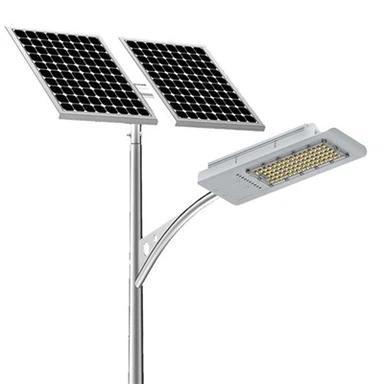
In addition, solar-powered AC streetlights are gaining popularity due to their renewable energy source and reduced dependence on the power grid. These lights utilize solar panels to convert sunlight into electricity, providing sustainable and independent operation.
Furthermore, adaptive lighting solutions are being developed, which adjust the light intensity based on traffic flow, weather conditions, or pedestrian presence. Such intelligent systems save energy by optimizing illumination levels according to specific needs at different times and locations.
VII. Conclusion
AC street lights are essential for ensuring safe and well-lit public spaces during nighttime. With their energy efficiency, environmental benefits, and technological advancements, they play a crucial role in modern urban lighting infrastructure. As technology continues to evolve, we can expect further innovations in AC street lights, ultimately leading to smarter, greener, and more efficient cities.
References:
1. Lighting India - "Understanding AC Street Lights": https://www.lightingindia.in/leds/understanding-ac-street-lights/
2. Energy.gov - "Street Lighting Systems": https://www.energy.gov/eere/ssl/street-lighting-systems
3. Electrical Engineering Portal - "AC versus DC street lights, is there any difference?": https://electrical-engineering-portal.com/ac-versus-dc-street-lights-is-there-any-difference
4. Sciencing - "How Do Streetlights Work?": https://sciencing.com/do-streetlights-work-4562477.html
5. PEC Lighting - "AC LED Street Light vs. DC LED Street Light":
https://peclighting.com/ac-led-street-light-vs-dc-led-street-light/