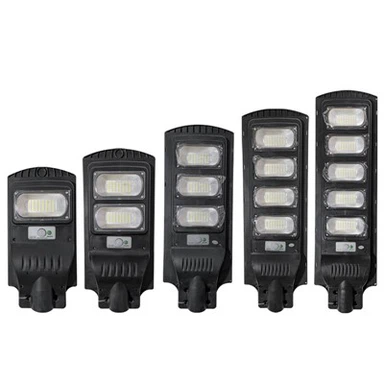
What is auto intensity control of solar-based street lights?
Aug 18, 2023
I. Auto Intensity Control of Solar-Based Street Lights
Auto intensity control refers to the automatic adjustment of light intensity based on the prevailing ambient conditions. It ensures that the street lights provide the appropriate level of illumination without wasting energy during daylight or over-illuminating during nighttime. The auto-intensity control system utilizes sensors to detect the level of natural light and adjust the brightness of the solar-powered LEDs accordingly. During the day, when sunlight is abundant, the system reduces the light output or even turns off the lights completely. As evening sets in, the system gradually increases the intensity of the lights to provide adequate illumination.
To implement auto intensity control, several components are required:
Solar Panel: Converts sunlight into electrical energy and charges the battery.
Battery: Stores the energy generated by the solar panel for later use.
Light Emitting Diodes (LEDs): Energy-efficient light sources that provide illumination.
Sensors: Light sensors or photoresistors detect the ambient light level and relay the information for control purposes.
II. Advantages of Auto Intensity Control
Energy savings: By adjusting the light output according to the surrounding conditions, unnecessary energy consumption is minimized.
Extended battery life: Optimized lighting control leads to efficient energy usage, resulting in longer battery life and reduced maintenance costs.
Reduced light pollution: The system ensures that only the necessary amount of light is emitted, minimizing light pollution and its negative effects on humans and wildlife.
Enhanced safety and security: Constant and appropriate lighting levels contribute to improved visibility, making the surroundings safer and deterring potential criminal activities.
III. How Auto Intensity Control Works
A. Sensor-based Control Mechanism: The sensors in the auto intensity control system continuously monitor the ambient light level. Based on this information, the system adjusts the output voltage supplied to the LEDs, thereby controlling their brightness.
B. Light Intensity Adjustment Based on Ambient Conditions: During the daytime, when sunlight is abundant, the system reduces the intensity of the LEDs or turns them off completely. As the natural light decreases in the evening, the system gradually increases the brightness of the LEDs to maintain adequate illumination.
C. Energy-saving Features: Auto intensity control systems often incorporate additional energy-saving features. For example, they may dim the lights during non-peak hours or use motion sensors to activate higher light levels upon detecting movement.
D. Inclusion of Time-based Control: To ensure optimal lighting conditions throughout the night, some systems incorporate time-based control. This feature allows administrators to set specific time intervals during which the lights operate at different intensities.

IV. Applications of Auto-Intensity Control
Auto intensity control systems find applications in various outdoor lighting scenarios, including:
A. Street Lighting: A common application where solar-based street lights with auto intensity control provide efficient and reliable illumination while conserving energy.
B. Outdoor Parking Lots: Auto intensity control ensures well-lit parking areas while reducing energy wastage during low-traffic periods.
C. Pathways and Gardens: By adjusting light levels based on foot traffic and ambient light, auto-intensity control systems offer efficient and aesthetic lighting in outdoor pathways and gardens.
V. Challenges and Future Developments
Implementing auto-intensity control systems may face certain challenges, such as technical limitations or the integration of complex infrastructures. However, ongoing research and development aim to address these challenges and enhance the capabilities of these systems. The future may witness advancements in sensor technology, improved communication between street lights, and integration with the Internet of Things (IoT) for smarter control.
VI. Conclusion
Auto intensity control of solar-based street lights offers a practical and sustainable solution to maximize energy efficiency while ensuring adequate illumination. With its ability to adjust lighting levels based on ambient conditions, this technology contributes to cost savings, reduced light pollution, and enhanced safety and security. As the field advances, further research and adoption of auto-intensity control systems will pave the way for more sustainable and intelligent outdoor lighting solutions.
References:
1. Electronics Hub: Auto Intensity Control of Street Lights: Link: https://www.electronicshub.org/auto-intensity-control-of-street-lights/
2. Edgefx Kits: Auto Intensity Control of Street Lights using Arduino: https://www.edgefxkits.com/blog/auto-intensity-control-of-street-lights-using-arduino
3. ElProCus: Auto Intensity Control of Street Lights: https://www.elprocus.com/auto-intensity-control-of-street-lights/
4. ResearchGate: Solar-Based Auto Intensity Control of LED Street Lights: https://www.researchgate.net/publication/316573424_Solar_Based_Auto_Intensity_Control_of_LED_Street_Lights