
How to Choose LED Flood Lights: A Complete Buying Guide
Apr 16, 2026
When selecting LED flood lights for outdoor, industrial, landscape, or security applications, quality varies greatly among different brands and manufacturers. Making the right choice means evaluating not just appearance and price, but also core performance indicators that directly affect brightness, lifespan, stability, and safety. The article shows the key factors to consider when choosing high-quality LED flood lights.
1. LED Chip Quantity & Lumen Output
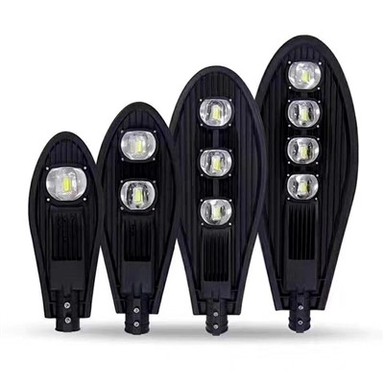
The market offers a wide range of flood lights with different LED configurations and brightness levels. In general, fixtures with more high-quality LED chips deliver higher luminous flux and brighter illumination, which usually comes with a higher cost.
However, quantity alone is not enough. It is crucial to choose products with stable chip performance, consistent light output, and reliable driving systems to ensure long-term trouble-free operation.

2. Light Fade & Service Life
Lifespan is one of the most important considerations for flood lights, and it is mainly determined by light attenuation. The lights with slow light fade maintain high brightness over a long period and offer an extended service life. Such products typically use better chips, thermal design, and driver solutions, so they are relatively more expensive.Investing in low-light-fade flood lights reduces replacement frequency and overall maintenance costs.
3. Waterproof & Ingress Protection Rating
Waterproof performance is essential for outdoor LED flood lights, which must withstand rain, snow, moisture, and stormy weather.For reliable outdoor use, the fixture should have a minimum protection rating of IP65. For harsh environments such as coastal areas, tunnels, or industrial sites, IP66 or IP67 is highly recommended to prevent water and dust from damaging internal components.

4. Efficient Thermal Management System
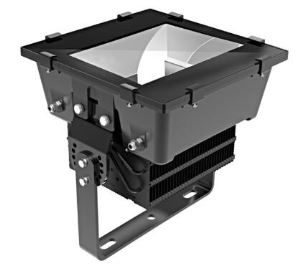
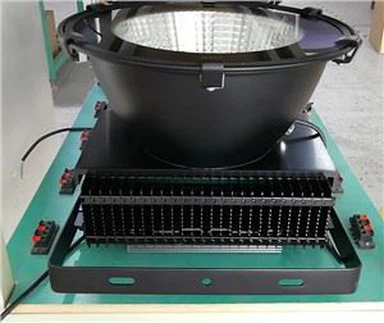
Heat dissipation directly affects the stability and lifespan of LED flood lights. A high-quality fixture must be equipped with an effective heat dissipation structure that quickly transfers heat from the internal circuit and chips to the exterior.Aluminum and aluminum alloys are the most ideal materials for heat sinks due to their excellent thermal conductivity.
A well-designed heat sink with large surface area, rational fin structure, and die-cast aluminum housing ensures stable working temperature and avoids overheating damage.

5. Longer Warranty Period
A longer warranty helps reduce after-sales maintenance costs and reflects the manufacturer's confidence in product quality.For industrial and outdoor LED flood lights, it is advisable to choose products with a warranty of at least 5 years. Short-warranty products often use inferior components and may lead to frequent failures and extra expenses in the long run.
6. Anti-Static Capacity
Anti-static performance is a key indicator of LED quality. Flood lights with strong anti-static ability are less likely to be damaged by static electricity during production, transportation, or installation, resulting in significantly longer service life.Naturally, components and fixtures with higher anti-static capability involve stricter production processes and higher material costs, so they are usually more expensive.
7. Leakage Current Control
Leakage current is an important hidden factor affecting flood light reliability. A large leakage current accelerates the aging of LED chips and circuits, and may even burn out the chips directly, greatly shortening the service life.Products with high leakage current are usually made of low-grade boards and components, which is why they are sold at lower prices. For long-term use, always select flood lights with low and stable leakage current.

8. Brightness Standard & Safety Compliance
LED brightness (measured in mcd or lumens) is one of the main factors affecting price. Higher brightness usually means higher cost.In addition, qualified flood lights must meet international safety standards. For LED light sources, compliance with Class I laser safety standards ensures safe use and avoids potential harm to human eyes.
9. Beam Angle for Different Applications
- LED flood lights are designed with different beam angles to suit different usage scenarios.
- Narrow beam angles are suitable for spotlighting, building facade lighting, and signage illumination.
- Medium and wide beam angles provide large-area coverage for squares, gardens, warehouses, and outdoor sites.
Special customized beam angles often require professional optical design, so such flood lights are relatively more expensive. For example, flood lights with full diffuse beam angles typically cost more due to their complex lens or reflector design.

Conclusion
In conclusion, choosing the right LED flood light is not just about price-it's about balancing performance, durability, and long-term value. By carefully evaluating factors such as chip quality, thermal management, waterproof rating, and electrical stability, you can ensure reliable lighting for any application.
With a focus on these key aspects, Yahualighting aim to provide efficient and durable solutions that help reduce maintenance costs while delivering consistent performance over time.